Kľúčovou súčasťou každého solárneho systému sú solárne batérie, ktoré zabezpečujú uchovávanie vyrobenej elektriny na neskoršie využitie. Ako fungujú solárne batérie a akú batériu si zvoliť?
Čo je fotovoltická batéria
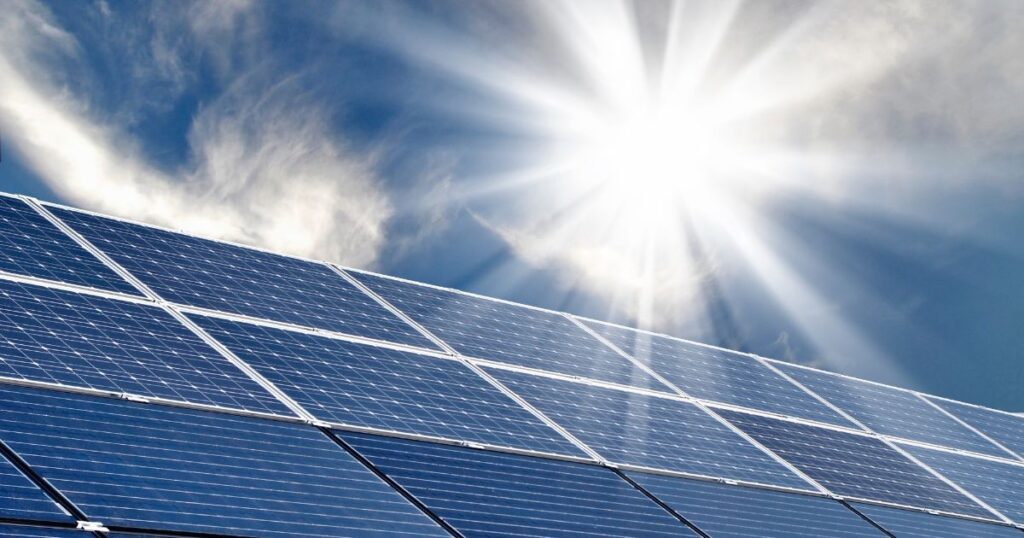
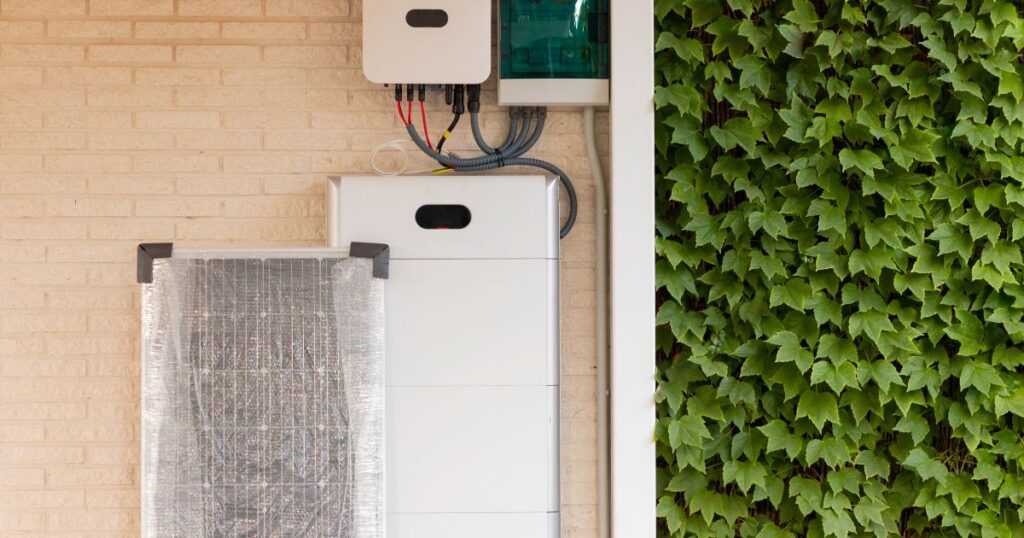
Fotovoltická batéria je zariadenie, ktoré slúži na ukladanie elektrickej energie vyrobenej solárnymi panelmi. Solárne panely zachytávajú slnečné žiarenie a premenia ho na elektrickú energiu. Tá môže byť okamžite využitá alebo uskladnená do batérie. Týmto spôsobom sa zabezpečuje nepretržitý prísun energie aj počas noci alebo v prípade zamračeného počasia. Výhodou solárnej batérie je, že umožňuje efektívne využívanie energie a znižuje závislosť na verejnej elektrickej sieti.
Typy batérií pre solárne systémy
Existuje niekoľko typov batérií, ktoré sa využívajú v solárnych systémoch. Medzi najbežnejšie patria:
Olovené batérie
Olovené batérie sú najstarším typom batérií. Sú populárne vďaka svojej nízkej cene a dostupnosti. Tieto sa delia na dva typy:
- Kyselinové olovené batérie – alebo AGM batérie majú nižšiu životnosť, keďže sú náchylnejšie na poškodenie v extrémnych teplotách. Sú však pomerne lacné.
- Gélové olovené batérie – solárne gélové batérie sú vylepšenou verziou klasických olovených batérií. Gélová elektrolytická vrstva zabezpečuje lepšiu stabilitu a dlhšiu životnosť.
Lítium-iónové batérie
Lítium-iónové batérie majú vynikajúcu účinnosť, dlhšiu životnosť a vyšší výkon, než olovené batérie. Sú kompaktné, ľahké a majú vyššiu energetickú hustotu. To znamená, že môžu uskladniť viac energie v menšom priestore. Vhodné sú pre systémy, kde sú potrebné solárne batérie 12V, solárne batérie 24V alebo solárne batérie 48V.
Sodíkové batérie
Sodíkové batérie sú cenovo dostupnejšie, pretože sodík je lacnejší ako lítium. Sú síce menej bežné ako lítium-iónové batérie, avšak majú nižší dopad na životné prostredie. Nevýhodou tohto typu batérií je nižšia kapacita.
Virtuálne batérie
Virtuálne batérie využívajú koncept rozdelenia energie medzi viaceré zariadenia a systémy. To znamená, že namiesto fyzického ukladania energie vo fyzickej batérií sa nevyužitá energia pošle do distribučnej siete. V prípade potreby potom môže majiteľ virtuálnej batérie čerpať energiu z distribučnej siete.
Prečítajte si: Solárne panely. Ako fungujú a aké sú ich výhody?
Ako postupovať pri výbere solárnej batérie
Pri výbere solárnej batérie je dôležité zvážiť niekoľko kľúčových parametrov:
1. Kapacita a výkon batérie
Kapacita batérie určuje, koľko energie môže batéria uskladniť. Je vyjadrená v jednotkách Ah (ampérhodina) alebo Wh (watt-hodina). Pre domáce solárne systémy sa najčastejšie používajú solárne batérie 12V, solárne batérie 24V a solárne batérie 48V, pričom vyššie napätie znamená väčšiu kapacitu a schopnosť dodávať väčší výkon.
2. Životnosť batérie
Zatiaľ čo olovené batérie majú zvyčajne kratšiu životnosť (cca 3 až 5 rokov), lítium-iónové batérie môžu vydržať aj 10 až 15 rokov. Dlhšia životnosť znamená tiež dlhodobú návratnosť investície. Pri solárnych batériách sa udáva aj tzv. cyklická životnosť, čiže počet nabíjacích a vybíjacích cyklov, ktoré batéria dokáže „prežiť“.
3. Hĺbka vybitia (DoD)
Hĺbka vybitia (DoD – Depth of Discharge) je parameter, ktorý určuje, akú časť kapacity batérie je možné využiť bez jej poškodenia. Vyššia hĺbka vybitia znamená efektívnejšie využitie batérie. Lítium-iónové batérie zvyčajne podporujú vyššiu hĺbku vybitia (až 80–90%), čo znamená, že ich kapacita je využiteľná na vyššej úrovni ako u olovených batérií (kde je DoD často okolo 50%).
4. Účinnosť nabíjania a vybíjania batérie
Tento faktor udáva, aké množstvo energie sa stratí pri nabíjaní a vybíjaní. Ak je účinnosť batérie napríklad 90%, z 10 kWh dodanej energie sa úspešne využije 9 kWh.
V druhej časti článku si rozoberieme základné charakteristiky fyzickej a virtuálnej batérie, resp. ktorá z nich je lepšou voľbou a v akých podmienkach.